In This Guide
- Why offbeat Goa is trending
- Hidden beaches in Goa
- Goan villages worth the detour
- Secret waterfalls and nature spots
- Heritage homes and walks
- Slow travel experiences
- Workation and digital nomad Goa
- Noctourism: Goa after dark
- Offbeat food trails
- How to plan an offbeat Goa trip
- Offbeat Goa safety and tips
- Offbeat Goa FAQ
Something has changed in Goa. The traveller arriving here is no longer just looking for a beach shack and a party. Airbnb data shows Goa searches surging almost 50 percent, with travellers specifically seeking hidden gems, quiet coastal villages, artisanal experiences, and offbeat food trails[reference:4]. The new mood of Goa is about serenity, memory and meaning[reference:5].
We see this every week at our Calangute office. Guests who have visited Goa before come back and ask a different question. "We have done the beaches. What else is there?" And there is a lot. Hidden beaches with freshwater lagoons. Heritage villages where time has slowed down. Forest trails that open to waterfalls no one talks about. Cafés where you can actually work for a week.
This guide is our complete, honest, local view of offbeat Goa. Written by the GoaThrills team, based on hosting guests who want something different. If you want us to build an offbeat itinerary around your interests, that is part of what we do as the best DMC for Goa.
1. Why offbeat Goa is trending
Four clear shifts are driving this.
Slow travel. Travellers are moving away from rushing between attractions. Independent guesthouses are surging in North Goa villages like Assagao, Moira and Siolim, and in South Goa's Curtorim and Agonda[reference:6]. People want to cycle through paddy fields, attend poetry sessions, learn pottery, and cook Goan meals with local families[reference:7].
Workation. The Goa government is actively promoting "Work from Goa" with beachside coworking hubs planned at Morjim, Ashwem and Colva[reference:8]. Cafés and co-working spaces are becoming community hubs with high-speed internet, live music and yoga classes[reference:9].
Noctourism. A new travel segment focused on experiencing Goa after dark in a meaningful way. Bioluminescent plankton kayaking, stargazing from coastal cliffs, and guided forest night trails. Not loud clubs, but night life in the truest sense[reference:10].
Heritage and culture. Travellers want to understand Goa, not just lie on its beaches. Heritage walks in Fontainhas, Chandor and Old Goa, and visits to ancestral homes with family recipes and Portuguese-era furniture[reference:11].
What our guests tell us
The guests who come back happiest are the ones who mixed their beach time with two or three offbeat experiences. They spent a morning at a hidden beach, an evening in a heritage village, and a day on a forest trail. That combination is what makes a Goa trip feel like a story instead of a photo album.
2. Hidden beaches in Goa
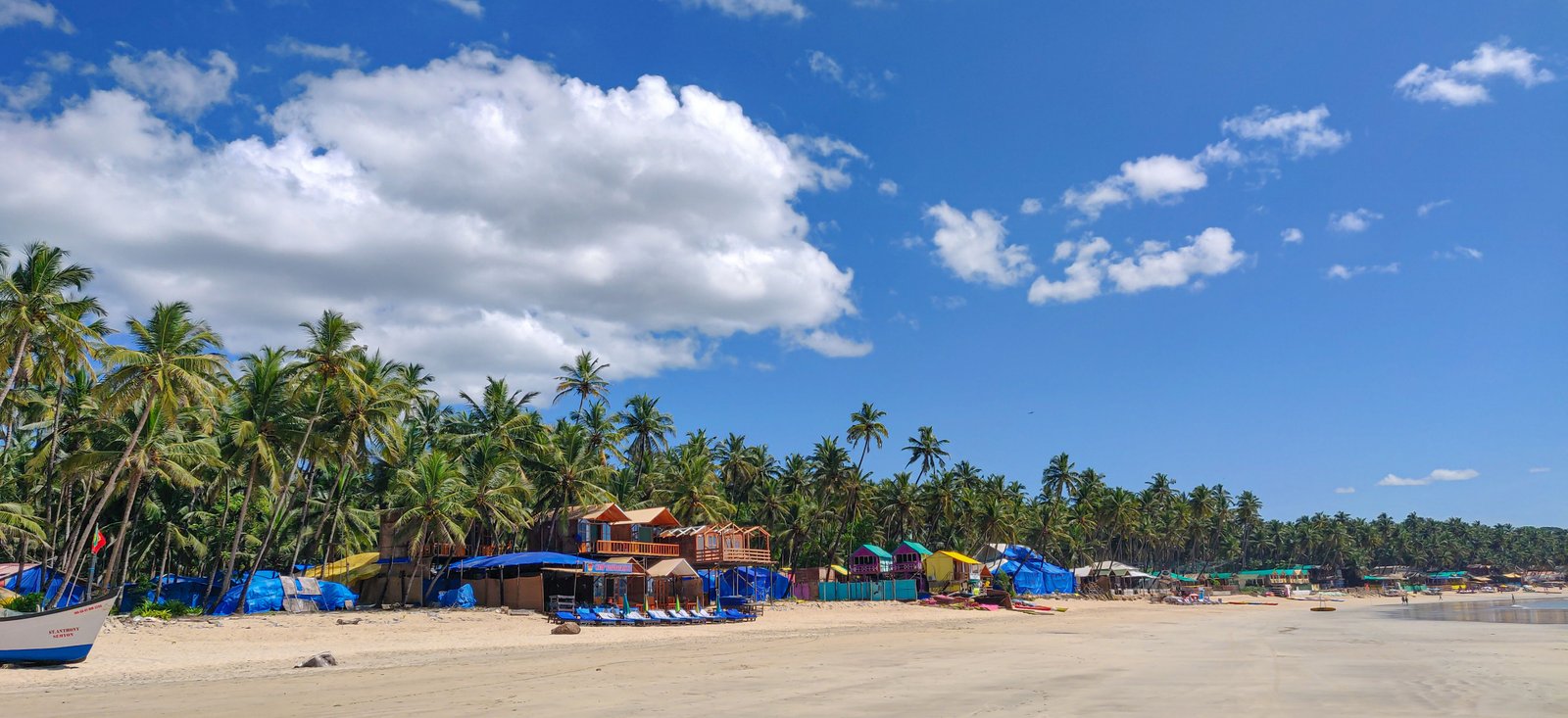
These are the beaches that most tourists never reach. No crowds, no shacks, no sunbeds. Just sand, water and quiet.
Butterfly Beach
A tiny crescent-shaped beach reachable only by boat from Palolem or by a short forest trek. Named for the butterflies that gather around the rocks. Beautiful, quiet, and one of the best short boat trips in South Goa. Golden sands, clear water, and snorkelling in calm conditions[reference:12].
Cola Beach
Goa's most unusual beach, with a freshwater lagoon meeting the sea. Sparkling sand, coconut groves, and a tranquil atmosphere. Less commercialised, perfect for a slow escape. Reachable by a rough road or a boat ride. Swimming is lovely in the lagoon[reference:13].
Kakolem Beach (Tiger Beach)
One of the most secluded beaches in Goa, with a waterfall descending directly onto the sand. Accessible only by boat or a steep trek. Rugged terrain, shimmering sands, palm trees. The name comes from a legend about tigers once hunted here[reference:14].
Galgibaga Beach
One of the cleanest beaches in India and a conservation site for Olive Ridley turtles. Nesting happens in winter, with sightings around December and January. Hidden behind coconut and palm trees. Pristine sand, peaceful environment[reference:15].
Siridao Beach
A quiet, rocky beach close to Panaji, mostly known for its shell collection and the small Jesus of Nazareth chapel on a hill. Not a swimming beach, but a peaceful spot for a morning walk and photography. Very few tourists ever come here.
3. Goan villages worth the detour
Goa's real soul is in its villages. These are the ones we send guests to when they want to understand what Goa actually is.
Assagao and Siolim
Once quiet villages, now the heart of Goa's slow travel scene. Independent guesthouses, boutique cafés, pottery studios and creative spaces. Assagao has become Goa's most interesting restaurant neighbourhood. Siolim sits along the Chapora river with a peaceful, unhurried charm.
Chandor and Loutolim
Chandor was the ancient capital of Goa, with Brahmin homes and Portuguese villas that are centuries old. Loutolim has wide balcaos, tiled roofs and giant banyan trees that seem to breathe. Heritage walks run here regularly, taking you through ancestral homes and family stories[reference:16].
Aldona and Pomburpa
Aldona sits along the Mapusa river with sleepy lanes, Portuguese-era homes and quiet churches. Pomburpa is famous for its natural springs. Both feel like Goa from a different era. Very few tourists, excellent for slow afternoons.
Divar Island
A small island across the Mandovi from Panaji, reachable by a free ferry. Bonderam festival, quiet lanes, old churches, and a slow rhythm of life that feels a world away from the coast. Excellent for a half-day bicycle trip.
4. Secret waterfalls and nature spots
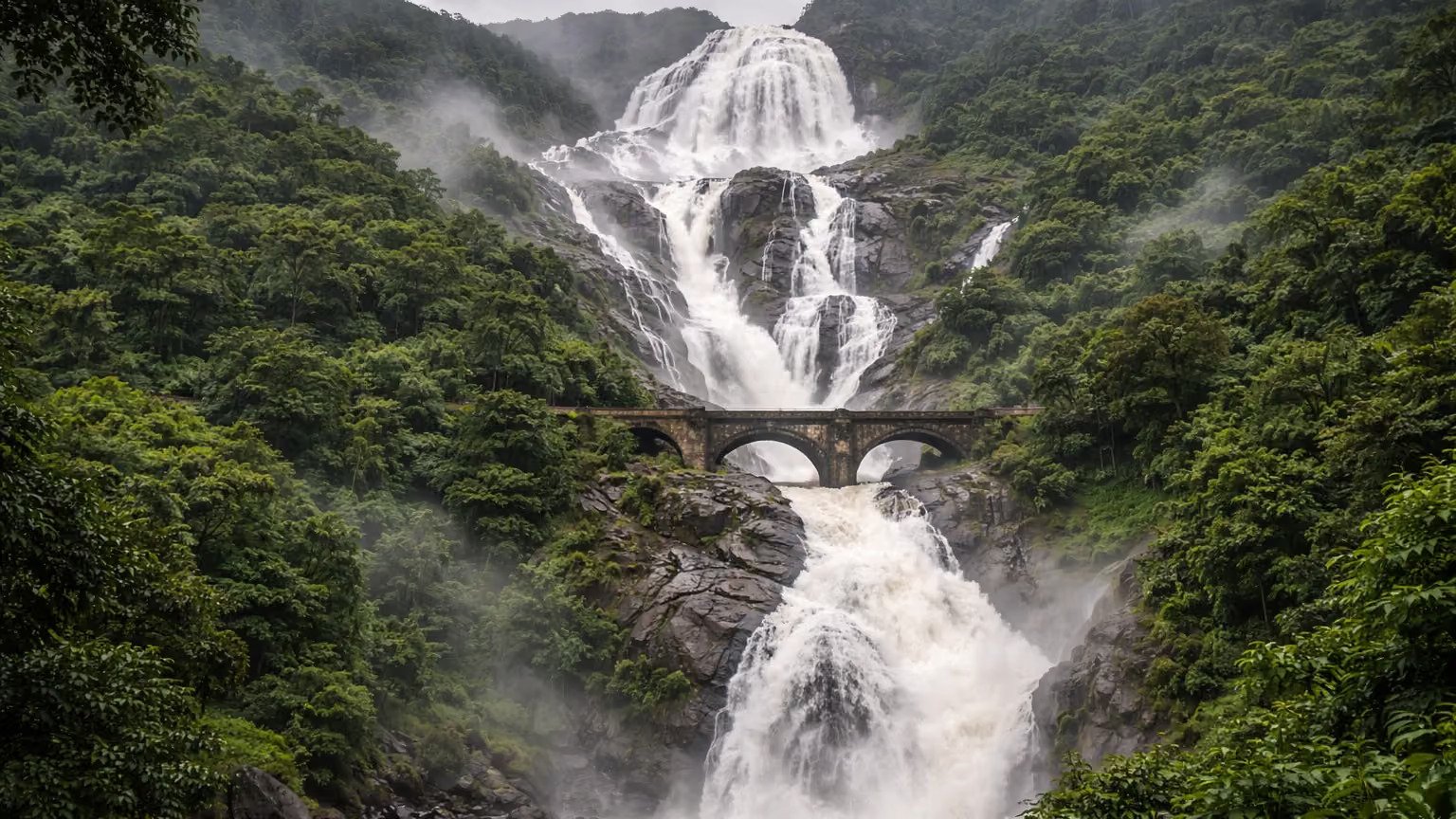
Beyond Dudhsagar, Goa has several smaller waterfalls and nature reserves that most travellers never visit.
Netravali Wildlife Sanctuary
A crown jewel in the South. In monsoon it feels cinematic. Mist drifting between trees, waterfalls crashing out of sight, and easy forest trails. Excellent for birdwatching and nature photography. Also home to the bubble lake, a natural spring where bubbles rise from the bottom[reference:17].
Arvalem Caves and Waterfall
Ancient rock-cut caves dating back centuries, plus a waterfall nearby. One of the oldest archaeological sites in Goa and rarely visited by tourists. Combine with a drive through the Ponda countryside.
Chorla Ghat
A scenic mountain pass connecting Goa to Karnataka, with dense forest, waterfalls in monsoon and cool hill air. Excellent for a day drive. Very few tourists. Birdlife is rich and photography is beautiful.
Tambdi Surla Temple and Waterfall
A 12th-century Kadamba-era Shiva temple, one of the oldest in Goa, surrounded by forest. A short trek leads to a waterfall. Beautiful and peaceful, with almost no tourist crowd. Excellent for a half-day trip from Ponda.
5. Heritage homes and walks
Goa's heritage is preserved in its homes and neighbourhoods. Here is how to experience it.
Fontainhas Latin Quarter Walk
The UNESCO heritage neighbourhood in Panaji. Colourful Portuguese-era houses, quaint bakeries, art galleries, and narrow lanes full of character. A guided walk takes about 2 hours and covers the Chapel of St Sebastian, the Hindu neighbourhood within Fontainhas, and the Hanuman shrine atop Altinho hillock[reference:18].
Chandor Heritage Walk
Takes you through Goa's old capital, past ancient Brahmin homes and mossy Portuguese villas. Visit a pre-Portuguese ancestral home with Indian and European antiques, stroll along the Kushavati river, and hear family legends. Ends with authentic Goan cuisine[reference:19].
Old Goa Churches Walk
Beyond the Basilica of Bom Jesus and Se Cathedral, this walk uncovers hidden monastic sites and forgotten stories. Visit the Augustinian ruins, the Rosary Church, and crumbling convents. Learn about Goa's colonial history through saints, traders and sovereigns[reference:20].
6. Slow travel experiences
Slow travel in Goa means going deeper, not wider. Here are the experiences our team recommends.
Pottery and artisan workshops
Local studios in Anjuna and Assagao offer pottery classes where you can learn to throw a pot on the wheel. Two to three hour sessions, no experience needed. Take home something you made yourself.
Backwater kayaking
Paddle through mangrove-lined estuaries at Nerul, Chapora or the Salim Ali Bird Sanctuary. Listen to birds instead of traffic. A guide leads the way. One to two hours, gentle fitness required.
Feni distillery tour and tasting
Visit a local distillery to learn how cashew feni is made, the traditional way. Tastings included. Some tours also visit a spice plantation and end with a traditional Goan lunch. A genuinely local experience.
Mangrove boardwalk in Panaji
India's second mangrove boardwalk, tucked away behind the Krishnadas Shama Library in Panjim. A beautiful, quiet walkway that takes you right into a mangrove jungle. Great for a morning stroll and photography.
7. Workation and digital nomad Goa
Goa has become a serious workation destination. The government is backing it with beachside coworking hubs, and the café culture is built for laptop life.
Best areas for workation: Anjuna and Vagator for community vibes, Ashwem and Morjim for quiet work with beach access, Palolem and Agonda for a slower pace, and Assagao for the café-and-community mix.
Co-working spaces: Clay Co-work, NomadGao, and 91Springboard are the established names. They double as community hubs with events, workshops and networking[reference:21].
Internet and infrastructure: Most cafés and resorts in the tourist belt have reliable Wi-Fi. However, power outages can happen during monsoon. Choose accommodations with backup power if you are working.
Best months for workation: October to February for peak weather, March to May for cheaper rates and still pleasant conditions. Monsoon has the lowest rates but also power and internet interruptions.
Every Goa customized package we build can include a long-stay workation setup with verified Wi-Fi accommodations, coworking access and weekend offbeat experiences.
8. Noctourism: Goa after dark
Noctourism is one of the newest travel trends, and Goa is perfectly positioned for it. It is not about clubs. It is about experiencing the state under a different sky.
- Bioluminescent kayaking: Between October and November, plankton in some Goan estuaries glow when disturbed. Paddle through water that lights up around your kayak.
- Stargazing from coastal cliffs: The Chapora and Vagator cliffs offer clear views of the night sky. On new moon nights, the Milky Way is visible.
- Guided forest night trails: Some nature guides run night walks in the Western Ghats margins, spotting owls, civets, and nocturnal insects.
- Night markets: Arpora Saturday Night Market and Anjuna Flea Market are as much about the atmosphere as the shopping.
What noctourism is not
Noctourism is not loud clubs or flashing lights. It is discovering Goa's soul under a different sky. If you want parties, that is nightlife. If you want silence, stars and bioluminescence, that is noctourism[reference:22].
9. Offbeat food trails
Beyond the beach shacks, Goa has food experiences most tourists never find.
- Tavern crawls: Local taverns in villages serve urrak, feni and home-style Goan food. Often priced around Rs 2,500 to Rs 4,000 per person for a guided tavern trail through South Goa[reference:23].
- Toddy and feni tastings in Cansaulim: Straight from the source, sometimes served on floating tables in the backwaters[reference:24].
- Tanshikar Spice Farm near Netravali: Plantation tour followed by a home-style Saraswat thali. One of the best traditional meals in Goa[reference:25].
- Jila Bakery in Loutolim: Famous for chocolate-dipped profiteroles at Rs 20 each. A tiny local gem[reference:26].
- Tribal food experiences: The Lamani community near Mainapi welcomes visitors with advance notice, offering traditional food alongside tribal dances and jewellery-making demonstrations[reference:27].
10. How to plan an offbeat Goa trip
An offbeat Goa trip needs a different kind of planning. Here is how we build them for guests.
The offbeat Goa planning framework
Step 1: Decide your base. North Goa for café and culture access, South Goa for heritage and nature. Stay in a village, not a beach belt.
Step 2: Pick two offbeat days and two regular days. Do not overload.
Step 3: Hire a local guide or DMC for hidden beaches and forest areas. Signal and safety matter.
Step 4: Book a heritage walk in advance. They fill up.
Step 5: Build in a workation day if you are a remote worker. Goa rewards slow mornings.
Every Goa group package, Goa couple package and Goa honeymoon package we build can include offbeat experiences. We do not push the same itinerary on everyone. If you want pottery and forest trails, we build that. If you want heritage homes and tavern crawls, we build that. That is what a real DMC does.
11. Offbeat Goa safety and tips
- Go with a guide for hidden beaches. Some are accessible only by boat or steep trek. A local guide keeps you safe and gets you there.
- Carry cash. Many offbeat spots have no ATMs or card machines.
- Download offline maps. Phone signal drops in forest areas and some beaches.
- Wear proper footwear. Treks and rocky beaches need more than flip-flops.
- Start early. Morning is the best time for offbeat exploration. Heat and crowds build by noon.
- Respect wildlife and conservation zones. Turtle beaches and forest reserves have rules. Follow them.
- Do not swim at hidden beaches alone. Many have no lifeguards and unpredictable currents.
- Carry water and snacks. Offbeat spots do not have convenient stores.
12. Offbeat Goa FAQ
The best offbeat places in Goa include Butterfly Beach, Cola Beach, Kakolem Beach, Galgibaga Beach, Divar Island, Chorla Ghat, Netravali Wildlife Sanctuary, Arvalem Caves, Tambdi Surla Temple, Cabo de Rama Fort, and the heritage villages of Chandor and Loutolim.
Hidden beaches in Goa include Butterfly Beach near Palolem, Cola Beach with its freshwater lagoon, Kakolem Beach (Tiger Beach), Galgibaga Beach which is a turtle nesting site, and Siridao Beach. These beaches have no crowds, no shacks, and are best reached by boat or a short trek.
Slow travel in Goa means prioritising experiences over sightseeing checklists. Instead of rushing between Fort Aguada and Baga, slow travellers cycle through paddy fields, attend poetry sessions in Mapusa, learn pottery in Anjuna, stay in heritage homes in Assagao or Curtorim, and cook Goan meals with local families.
Yes. Goa has become a major workation destination with co-working spaces like Clay Co-work, NomadGao, and 91Springboard, plus beachside workation hubs being developed at Morjim, Ashwem and Colva. Internet is reliable in most cafés and resorts.
Noctourism is a travel trend focused on experiencing a destination after dark in a meaningful way. In Goa, it includes kayaking through bioluminescent plankton, stargazing from coastal cliffs, and guided night trails through forest areas.
Goan villages worth visiting include Assagao, Moira, Siolim, Aldona, Saligao, Chandor, Loutolim, Curtorim, and Pomburpa. These villages have heritage homes, quiet lanes, local bakeries, and a pace of life that feels far removed from the beach belt.
The best heritage walks in Goa are the Fontainhas Latin Quarter walk in Panaji, the Old Goa churches walk, the Chandor heritage walk, and the Margao cultural walk. Most walks cost around 1,300 to 1,500 rupees per person and last 2 to 3 hours.
Yes, offbeat Goa is generally safe for solo travellers. However, some hidden beaches and forest areas have limited phone signal and no lifeguards. It is best to go with a local guide or a DMC like GoaThrills for the more remote spots.
October to March is the best time for offbeat Goa. Waterfalls are flowing, the weather is pleasant, and forest trails are open. Monsoon (June to September) is also beautiful for slow travel, spa and heritage experiences, but many offbeat beaches are not safe for swimming.
GoaThrills is based in Calangute, North Goa, with a real office and a team that lives here. We know which offbeat spots are actually worth visiting, which are overhyped on social media, and which need a local guide for safety. Every offbeat package is customized and includes a coordinator on WhatsApp. That is why clients call us the best DMC for Goa.